Entertainment is often treated as something we do simply to pass the time. We watch a movie, listen to music, play a game, read a book, go to a concert, or spend time with friends because we want to have fun.
But entertainment can play a much bigger role in our lives.
When chosen intentionally, enjoyable activities can help us relax, connect with other people, express ourselves, and create a healthier balance between responsibilities and personal time. In a busy lifestyle, entertainment can be an important part of overall well-being.
Entertainment Is Part of a Healthy Life
Health is not only about exercise, nutrition, and medical care.
Mental and emotional well-being also matter.
People need moments when they are not working, solving problems, answering messages, or worrying about responsibilities. Having enjoyable activities in your routine can create space for relaxation and recovery.
Entertainment does not replace healthy habits, but it can complement them.
A balanced lifestyle includes responsibilities, but it also includes moments when you can simply enjoy being present.
Watching Movies and Shows Can Help You Disconnect
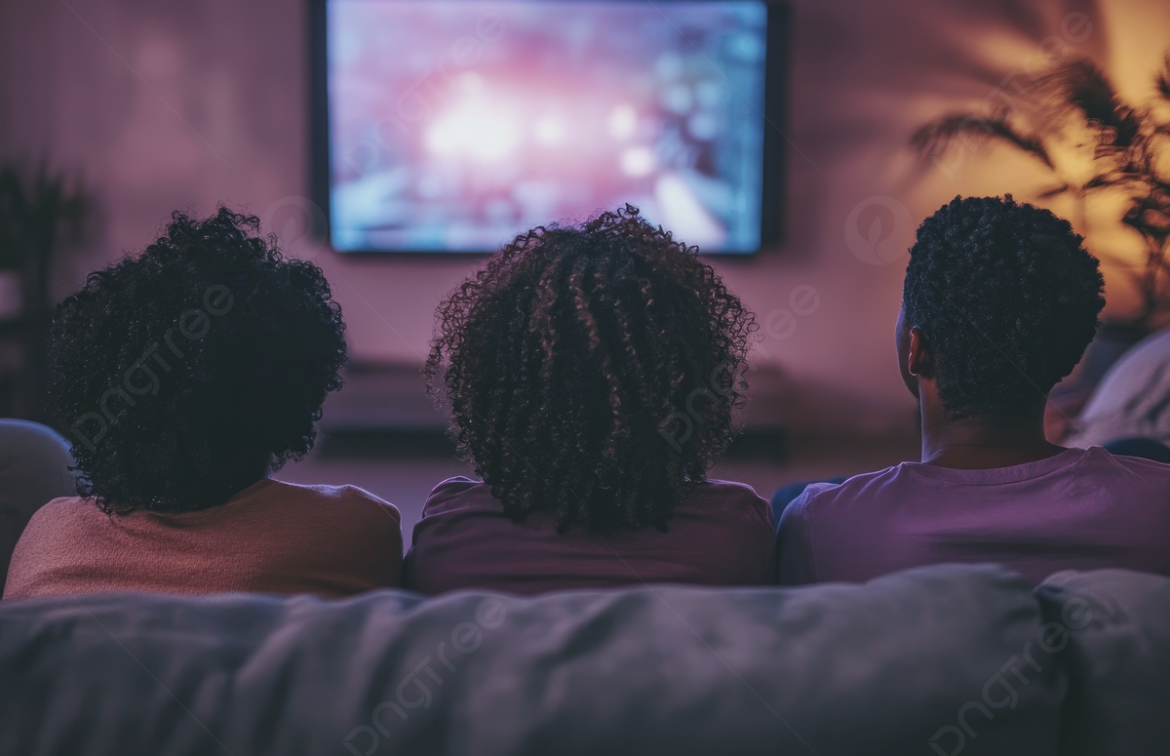
After a long day, watching a movie or an episode of a favorite show can provide a temporary mental break.
Stories can take your attention away from everyday responsibilities and allow you to focus on another world, another character, or another perspective.
Of course, spending excessive amounts of time in front of a screen can become counterproductive. The difference is often found in how entertainment fits into your overall routine.
Watching something you genuinely enjoy for an hour can be very different from spending several hours scrolling through content without even remembering what you watched.
Music Can Change the Atmosphere of Your Day
Music is one of the simplest forms of entertainment and can easily become part of everyday life.
You can listen to music while driving, exercising, cooking, cleaning, relaxing, or spending time with friends.
Different types of music can create different moods. An energetic playlist can make a workout more enjoyable, while quieter music may help create a relaxing environment at the end of the day.
Music can also connect people to memories, places, and important moments in their lives.
Hobbies Give You Something to Look Forward To
A hobby is more than a way to fill free time.
Cooking, photography, gaming, reading, painting, playing an instrument, gardening, traveling, collecting things, or practicing a sport can give you an activity that exists simply because you enjoy it.
This can be particularly valuable when most of your daily life revolves around work and obligations.
Having something enjoyable to look forward to can make your routine feel more balanced.
Entertainment Can Strengthen Social Connections
Some of the best forms of entertainment are shared with other people.
Going to the movies with friends, attending a concert, watching a sports game, playing board games, having dinner, traveling, or simply talking and laughing together can create meaningful social experiences.
Social connection is an important part of well-being.
Entertainment gives people a reason to spend time together without everything having to be productive or goal-oriented.
Sometimes, simply having fun with other people is valuable.
Laughter Has a Place in Well-Being
Comedy is another form of entertainment that can make everyday life feel lighter.
Watching a comedian, sharing jokes with friends, or watching something genuinely funny can provide a temporary break from stress.
Laughter does not solve serious problems, but moments of humor can change the atmosphere of a difficult day.
Being able to enjoy something without taking everything so seriously can be an important part of maintaining balance.
Video Games Can Be Entertainment, Too
Video games are sometimes discussed only in terms of their potential negative effects, but gaming is also a major form of entertainment for millions of people.
Games can provide challenges, stories, competition, creativity, exploration, and social interaction.
Playing with friends can be a social experience. Story-driven games can provide immersive entertainment. Puzzle and strategy games can offer mental challenges.
The key is moderation.
Like any form of entertainment, gaming can become unhealthy when it consistently interferes with sleep, work, relationships, physical activity, or other responsibilities.
Reading Can Combine Entertainment and Relaxation
Books can provide an opportunity to disconnect from constant digital stimulation.
A novel can transport you into another story. A biography can introduce you to someone’s life. A mystery can keep you curious. A comedy can make you laugh.
Reading also allows you to control the pace.
Instead of constantly moving from one piece of content to another, you can spend time with one story or idea.
For some people, reading before bed can also become a calming part of an evening routine.
Travel and New Experiences Can Expand Your Perspective
Entertainment does not have to happen at home.
Travel, cultural events, museums, concerts, festivals, restaurants, theater performances, and local attractions can create memorable experiences.
One of the interesting things about entertainment is that experiences often stay with us longer than individual purchases.
A weekend exploring a new city can become a story you remember for years.
This does not mean you need an expensive vacation. Exploring your own city, visiting a nearby town, attending a local event, or trying a new activity can also create a sense of novelty.
Entertainment Can Help You Avoid Living Only for Work
A lifestyle centered entirely around work can become exhausting.
Career goals are important, and many people naturally want to be productive. But if every free moment is used to work more, respond to emails, or think about the next task, there may be very little room for recovery.
Entertainment creates a boundary between work and personal life.
It reminds you that your identity is not limited to your job or productivity.
You are allowed to have interests that have no financial purpose.
Choose Entertainment Instead of Endless Scrolling
There is a significant difference between intentional entertainment and passive consumption.
You might spend an hour watching a movie you chose because you were interested in it.
Or you might spend an hour scrolling through short videos without intending to do so.
Both involve screens, but the experience can be completely different.
Intentional entertainment starts with a choice.
You decide what you want to watch, listen to, read, or do. When you are finished, you can move on with your day.
This simple distinction can help make leisure time feel more satisfying.
Don’t Turn Every Hobby Into a Side Hustle
Today, there is constant pressure to monetize everything.
There is nothing wrong with turning a hobby into income.
But not everything needs to become a business.
Some activities can simply exist because they make you happy.
Having something in your life that is not measured by revenue, followers, productivity, or performance can be refreshing.
Entertainment and Mental Recovery
Your brain needs periods when it is not constantly solving problems.
Entertainment can provide a form of mental recovery by shifting your attention toward something enjoyable.
That does not mean every stressful moment should be avoided through entertainment. Difficult emotions and important problems sometimes need to be faced directly.
But after dealing with responsibilities, giving yourself permission to relax can be healthy.
Rest is not the opposite of productivity.
It is part of maintaining the energy necessary to continue.
Create a Healthy Entertainment Routine
You do not need to completely reorganize your life.
Start by asking yourself what activities genuinely make you feel better.
Maybe it is watching a movie on Friday night, playing basketball with friends., listening to music while cooking, reading for 20 minutes before bed or it is going to a concert once a month.
The important thing is to make space for activities that you actually enjoy rather than automatically consuming whatever happens to appear on your screen.
Entertainment Should Add to Your Life, Not Replace It
The healthiest relationship with entertainment is one in which it adds something to your life.
It should not consistently replace sleep, exercise, relationships, work responsibilities, or real-world experiences.
Instead, it can exist alongside them.
A good movie after a productive day can be enjoyable.
A game with friends can strengthen relationships.
A concert can create a memorable experience.
A hobby can give you something to look forward to.
A book can help you slow down.
These moments may seem small, but they contribute to the overall quality of everyday life.
Enjoyment Is Part of Well-Being
Well-being is not about creating a perfect lifestyle.
It is about building a life that includes enough health, connection, purpose, rest, and enjoyment to feel sustainable.
Entertainment has a legitimate place in that equation.
You do not need to feel guilty every time you watch a show, listen to music, play a game, or go out with friends.
The important question is whether the way you spend your free time is actually contributing to the life you want.
Sometimes taking care of yourself means exercising.
Sometimes it means getting enough sleep.
And sometimes it simply means turning off your phone, watching a great movie, laughing with someone you care about, and allowing yourself to enjoy the moment.
Entertainment is not necessarily time wasted.
When chosen intentionally, it can be one of the ways we make life feel more balanced, connected, and enjoyable.